
Many businesses notice environmental charges in their electricity rates but aren’t always sure what they mean. These charges are part of national and state programs designed to increase renewable energy, improve energy efficiency, and reduce emissions across Australia.
Below is a simple, easy-to-understand guide to the main schemes and how they affect you.

National Renewable Energy Schemes
These two schemes apply to everyone across Australia.
Large-scale Renewable Energy Target (LRET)
LRET encourages the development of big renewable energy projects such as wind farms, solar farms, hydro generators, and biomass plants.
Whenever these power stations generate renewable electricity, they create certificates that energy retailers must buy.
Because retailers recover these costs through electricity prices, businesses see a portion of this in their energy rates.
In simple terms:
LRET helps build large renewable power stations, and part of the cost flows through to your electricity charges.

Small-scale Renewable Energy Scheme (SRES)
SRES supports small systems like rooftop solar panels, solar hot water units, and heat pumps installed at homes and small businesses.
These installations create certificates that must be purchased by energy retailers, which again contribute to part of your bill.
In simple terms:
SRES helps Australians put solar on their roofs. The scheme is funded through electricity prices, which is why it appears in your bill.

State and Territory Energy Efficiency Schemes
These schemes only apply within their respective state or territory and aim to reduce energy use by making homes and businesses more efficient.
NSW Energy Savings Scheme (ESS)
The NSW ESS encourages households and businesses to reduce electricity consumption by upgrading to more efficient equipment—things like LED lighting, efficient appliances, and better heating or cooling systems.
These upgrades generate “energy savings certificates” that retailers are required to buy.
In simple terms:
ESS rewards energy-saving upgrades in NSW. Retailers recover the cost through energy rates.

Victorian Energy Upgrades Program (VEU, formerly VEET)
In Victoria, the VEU program works similarly. It supports upgrades that lower energy use—such as efficient lighting, heating, cooling, hot water, and industrial process improvements.
Approved upgrade providers create certificates for the energy saved, and energy retailers must purchase enough of these to meet annual targets.
In simple terms:
VEU lowers Victoria’s energy use by helping households and businesses upgrade to more efficient products. Retailers factor this cost into Victorian electricity tariffs.

SA Retailer Energy Efficiency Scheme (REES)
South Australia’s REES program focuses mainly on helping households, including low-income homes, reduce their energy consumption.
Retailers are required to deliver or fund energy-saving activities such as lighting upgrades, energy audits, or appliance replacements.
In simple terms:
REES supports South Australian homes—especially vulnerable households—to reduce energy use. Retailer obligations influence the cost of electricity in SA.

ACT Energy Efficiency Improvement Scheme (EEIS)
The ACT’s EEIS applies to both homes and businesses. It encourages upgrades that reduce electricity use, such as higher-efficiency appliances, better insulation, or professional energy-saving services.
Like other schemes, certificates are created for activities and retailers must meet annual targets.
In simple terms:
EEIS helps ACT households and businesses cut energy use through subsidised upgrades. Electricity retailers pass through the cost of meeting their targets.

Why These Schemes Matter
Although environmental charges add a cost to electricity bills, they also:
• Support Australia’s shift to cleaner and renewable energy
• Reduce long-term electricity demand
• Improve efficiency and lower power consumption
• Help homes and businesses save money through subsidised upgrades
• Reduce greenhouse emissions nationwide
In the long run, these programs are designed to make energy cleaner, more reliable, and more cost-effective.
Comparison: Environmental Charges & Energy Schemes in Australia
| Scheme | Jurisdiction | Primary Purpose | What It Incentivises | Type of Certificates | Who Creates Certificates | Who Bears Liability / Must Surrender | Typical Impact on Energy Bills | Key Differentiators |
|---|---|---|---|---|---|---|---|---|
| LRET – Large-scale Renewable Energy Target | Australia-wide (Federal) | Increase large-scale renewable electricity generation | Construction and operation of renewable power stations (wind, solar farms, hydro, biomass) | LGCs – Large-scale Generation Certificates | Accredited large power stations (per MWh generated) | Liable entities (electricity retailers and large electricity buyers) | Cost passed through via LGC component | Focuses on supply-side decarbonisation and utility-scale projects |
| SRES – Small-scale Renewable Energy Scheme | Australia-wide (Federal) | Support small-scale renewable installations | Rooftop solar PV, small wind, hydro, solar water heaters, heat pumps | STCs – Small-scale Technology Certificates | Households & small businesses installing eligible systems | Electricity retailers (who purchase/surrender STCs) | STC price influences upfront system rebates | Designed for households/SMEs, no annual cap on certificates, boosts small-scale generation |
| NSW – ESS (Energy Savings Scheme) | New South Wales | Reduce electricity consumption | Energy-efficient upgrades (lighting, appliances, HVAC, industrial, commercial activities) | ESCs – Energy Savings Certificates | Accredited Certificate Providers implementing eligible upgrades | Electricity retailers must meet energy savings targets | Scheme cost included within NSW electricity prices | Pure efficiency scheme; focuses on demand reduction not generation |
| VIC – VEU (formerly VEET) Victorian Energy Upgrades | Victoria | Reduce energy consumption & emissions | Appliance upgrades, lighting, insulation, industrial process improvements | VEECs – Victorian Energy Efficiency Certificates | Accredited Providers performing eligible upgrades | Energy retailers with Victorian customers | VEEC cost reflected in Victorian electricity bills | One of Australia’s largest efficiency programs with broad upgrade categories |
| SA – REES (Retailer Energy Efficiency Scheme) | South Australia | Improve residential energy efficiency | Home energy efficiency activities, low-income household support | REES Energy Efficiency Activities (no market-based certificate like VEEC/ESC) | Retailers or contractors performing upgrades | Energy retailers (state-obligation) | Retailer compliance costs reflected in SA bills | Strong focus on household support & low-income assistance |
| ACT – EEIS (Energy Efficiency Improvement Scheme) | Australian Capital Territory | Reduce energy use and emissions | Home and business energy-saving upgrades | EECs – Energy Efficiency Certificates (ACT-based) | Accredited Service Providers | Electricity retailers in ACT | EEIS cost embedded in ACT bill components | Progressive scheme with strong residential participation and business upgrade incentives |
Cheat Sheet: Key Differences at a Glance
| Differentiator | RET (LRET + SRES) | ESS (NSW) | VEU (VIC) | REES (SA) | EEIS (ACT) |
|---|---|---|---|---|---|
| Type | Renewable energy generation | Energy efficiency | Energy efficiency | Energy efficiency | Energy efficiency |
| Mechanism | Certificate market (LGC/STC) | ESC market | VEEC market | Retailer-delivered activities | Certificate market (ACT) |
| Focus | Supply-side renewables | Demand-side efficiency | Demand-side efficiency | Household-focused efficiency | Efficiency for households & businesses |
| Who Benefits Directly | Large generators (LRET), small system owners (SRES) | Households & businesses upgrading | VIC households & businesses | SA households (strong low-income focus) | ACT households & businesses |
| Cost Recovery | Retailers pass through cost federally | Embedded in state tariffs | Embedded in state tariffs | Embedded in SA tariffs | Embedded in ACT tariffs |
Want clarity on your energy charges?
Our experts can break down your bill and help you reduce unnecessary costs.
Get advice from our Energy Management Consultants
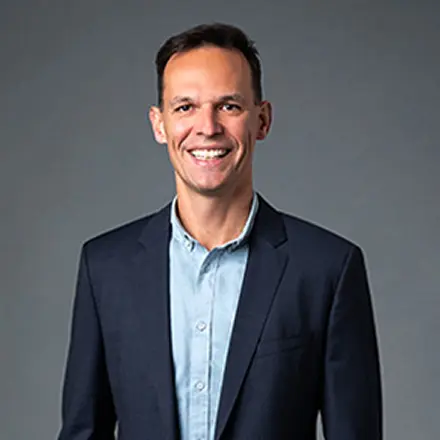
James Iliffe
Managing Director
Get in Touch
Feel free to call or e-mail us. Or just fill in the form below and we’ll contact you for an obligation-free discussion.
Are you ready to save on business energy costs?
Get Started
Leading Edge Energy is proud to be a signatory of the National Customer Code for Energy Brokers, Consultants and Retailers.